Canine Distemper Virus Antigen Test: Detection And Clinical Significance
Sep 17, 2026
Canine distemper is a highly contagious viral disease that can affect multiple body systems in dogs. It is caused by canine distemper virus (CDV), a morbillivirus in the family Paramyxoviridae. The disease occurs worldwide and remains an important concern, particularly among unvaccinated dogs, puppies, and animals with unknown vaccination histories.
What Is Canine Distemper Virus?
CDV is an enveloped, negative-sense single-stranded RNA virus. Infection is transmitted mainly through respiratory droplets and secretions from infected animals. Dogs are considered an important reservoir, while a wide range of wild and captive animal species can also be susceptible to infection.
After entering the body, the virus initially replicates in lymphatic tissues and can subsequently spread to the respiratory tract, gastrointestinal tract, urogenital tissues, central nervous system, and other organs. This systemic distribution explains why canine distemper can produce such a broad range of clinical signs.
Clinical Signs of Canine Distemper
The clinical presentation can vary considerably between individual dogs. Early signs may be relatively nonspecific, while more characteristic manifestations can develop as the infection progresses.
Common clinical signs include:
- Fever
- Lethargy and reduced appetite
- Ocular and nasal discharge
- Coughing and respiratory distress
- Diarrhea
- Vomiting in some cases
- Hyperkeratosis of the nose and footpads
- Muscle twitching
- Seizures and other neurological abnormalities
Neurological signs may develop during the systemic illness or appear later, sometimes weeks or months after the initial disease.
Because respiratory, gastrointestinal, and neurological signs can overlap with those caused by other infectious conditions, clinical signs alone may not be sufficient to confirm CDV infection.
How Is Canine Distemper Diagnosed?
A clinical suspicion of canine distemper is generally based on the animal's history, vaccination status, clinical signs, and epidemiological exposure. Laboratory testing can then be used to support confirmation.
Current diagnostic approaches include detection of the virus or viral components, as well as detection of the host immune response. RT-PCR and antibody-based methods are commonly used in clinical diagnosis.
Antigen detection focuses on identifying CDV viral components in clinical samples. In-house immunochromatographic assays have also been developed for CDV antigen detection. According to the Merck Veterinary Manual, performance of antigen-based assays can vary with the sample type, with conjunctival swabs reported to be particularly useful for antigen detection.
The Role of a CDV Antigen Test
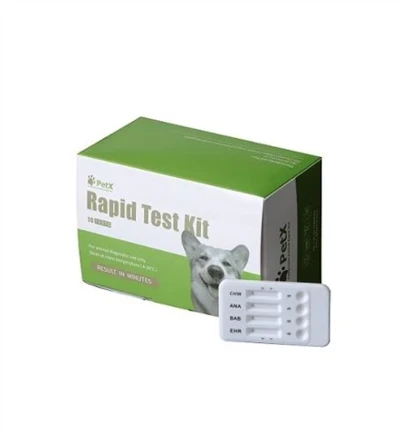
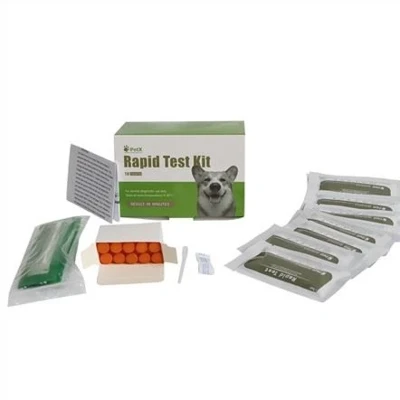
A Canine Distemper Virus Antigen Test is designed to detect CDV antigen in an appropriate clinical sample. By identifying viral antigen rather than antibodies, the test can provide information about the presence of viral components at the time of testing.
Rapid antigen testing can be useful when a veterinarian needs an initial result during a clinical consultation. A rapid format can also simplify testing in settings where access to laboratory facilities or advanced equipment is limited.
The result should always be interpreted together with the dog's clinical history and examination findings. A negative antigen result does not necessarily exclude infection, particularly when viral shedding, disease stage, or sample collection may affect the amount of detectable antigen.
When Can CDV Antigen Testing Be Considered?
CDV testing may be considered when a dog presents with a combination of compatible clinical signs, particularly:
- Fever accompanied by respiratory or gastrointestinal signs
- Ocular or nasal discharge
- Neurological abnormalities such as muscle twitching or seizures
- Hyperkeratosis of the footpads or nasal planum
- Unknown or incomplete vaccination history
- Possible exposure to infected or free-roaming dogs
Testing may also be useful when several dogs in the same environment develop compatible signs, such as in shelters, kennels, breeding facilities, or other multi-dog settings.
Why Rapid Antigen Testing Matters in Practice
Rapid testing provides several practical advantages for veterinary settings:
Fast access to information
Results can be available during the consultation, helping veterinarians assess the case without waiting for a laboratory report.
Simple workflow
Rapid immunochromatographic formats generally require limited equipment and can be incorporated into routine clinical workflows.
Useful for initial assessment
When CDV is suspected from the clinical picture, antigen testing can provide additional evidence to support the initial assessment.
Suitable for different veterinary settings
Depending on the test format and sample requirements, rapid CDV antigen testing can be used in veterinary practices, shelters, kennels, breeding facilities, and other animal-care environments.
Interpretation Requires Clinical Context
Canine distemper is a complex systemic infection, and no single test should be considered separately from the clinical picture. The timing of sample collection, sample type, viral shedding, vaccination history, and disease stage can all influence test interpretation.
For dogs with compatible clinical signs and a negative rapid antigen result, further diagnostic investigation may be appropriate when clinical suspicion remains high. RT-PCR and other laboratory methods may be used for confirmation in selected cases.
Prevention Remains Important
Vaccination remains the primary method of preventing canine distemper. Although vaccination has substantially reduced the occurrence of disease in domestic dogs, CDV continues to circulate among free-roaming dogs and wildlife populations, creating opportunities for transmission.
Good hygiene, appropriate isolation of suspected cases, and proper disinfection are also important when managing animals with suspected or confirmed infection. CDV is susceptible to several commonly used disinfectants when applied appropriately.
Conclusion
Canine distemper remains an important infectious disease because of its high contagiousness, multisystemic presentation, and potential neurological complications. Recognizing compatible clinical signs and obtaining timely diagnostic information are important parts of case management.
A Canine Distemper Virus Antigen Test offers a practical approach for detecting viral antigen and obtaining rapid information during veterinary evaluation. When interpreted alongside clinical findings and, when necessary, confirmatory laboratory testing, antigen detection can be a useful part of the diagnostic workflow.