Equine Infectious Anemia Virus: Disease Overview And The Role Of Antibody Test
Sep 15, 2026
Equine infectious anemia (EIA) is a viral disease that affects horses and other equids. The virus behind it, equine infectious anemia virus (EIAV), is a lentivirus in the Retroviridae family. Infected animals carry the virus for life, even after outward signs of illness fade.
That sets EIA apart from many acute equine infections. A horse can look recovered and still be a source of infection for others. Testing is one of the main ways to keep EIAV in check.
How EIAV Spreads
Blood is the main route. Horseflies and other blood-feeding insects can move infected blood from one horse to another, especially where horses are kept close together.
The virus can also pass through contaminated needles, surgical instruments, dental equipment, or anything else that contacts blood. Iatrogenic transmission is a real concern in equine management.
Risk depends on how many infected horses are around, insect activity, animal density, and management practices. In endemic areas, routine surveillance can catch infected animals that would otherwise be missed.
Clinical Signs
EIA looks different from horse to horse. Some infected animals get clearly ill. Others show little or nothing.
Acute or severe cases may have:
- Fever
- Weakness and depression
- Loss of appetite
- Weight loss
- Anemia
- Thrombocytopenia
- Jaundice or pale mucous membranes
- Edema
- Increased heart and respiratory rates
The disease can also run a chronic or inapparent course. A horse that seems healthy may still carry EIAV and stay infected for life.
So clinical signs alone cannot tell you whether a horse is infected. Laboratory testing matters, especially when horses join a herd, move between regions, or enter disease-control programs.
Why Antibody Testing Matters
After EIAV infection, horses produce antibodies against viral antigens. Those antibodies can persist and serve as a marker of past exposure or infection.
EIAV antibody tests are a common part of surveillance and screening. Finding antibody-positive animals helps veterinary authorities and horse owners act and lower the risk of transmission.
Antibody testing is especially useful when:
- Screening horses before movement or transport
- Monitoring horses in areas where EIA occurs
- Testing newly introduced animals
- Investigating suspected infections
- Supporting herd or population surveillance
- Meeting regulatory testing requirements
Because infected horses may show no obvious signs, antibody-based screening offers a practical way to flag animals that need a closer look.
Testing in Field and Veterinary Settings
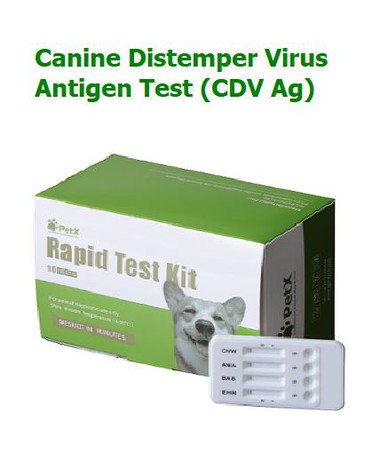
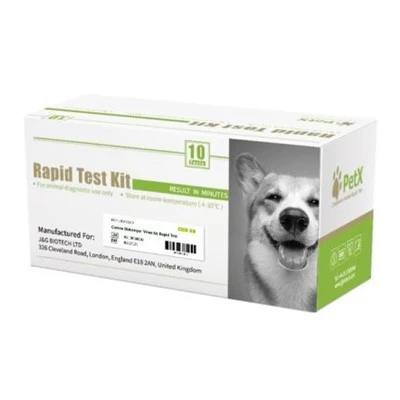
EIA surveillance can involve large numbers of horses, so practical sample handling and efficient testing matter. A rapid antibody test can be a convenient screening option where a fully equipped laboratory is out of reach.
For field use, the useful features are simple sample collection, easy operation, short turnaround time, and clear results. These can make screening easier during farm visits, animal movement checks, quarantine, and routine surveillance.
A positive screening result should be read according to applicable veterinary and regulatory requirements and may need confirmation by an approved laboratory method.
Disease Control
No widely available vaccine gives reliable protection against EIA, and infected horses stay infected for life. Control therefore leans heavily on finding infected animals and stopping further transmission.
Good biosecurity practices matter. Equipment that may touch blood should be handled properly, and needles and other disposable items should not be reused between animals. Steps to reduce exposure to blood-feeding insects can also help lower transmission risk.
Regular testing matters most in regions where EIA is present or where horses are often moved between farms, competitions, breeding facilities, or countries.
Conclusion
Equine infectious anemia can be hard to spot from clinical signs alone because infected horses may look healthy. Because EIAV persists for life, identifying infected animals is a key part of disease management.
Antibody testing is a practical tool for EIA surveillance. It helps find horses that have been exposed to EIAV and supports decisions about movement, quarantine, herd management, and disease control. Where equine populations are regularly monitored, accessible and efficient testing can lead to more consistent surveillance and biosecurity.