Bovine Viral Diarrhea Virus (BVDV): The Silent Threat Undermining Cattle Health and Productivity
Jan 15, 2026
Bovine Viral Diarrhea Virus (BVDV) is one of the most economically significant viral pathogens affect the global cattle industry. Often underestimated due to its variable and sometimes subtle clinical presentation, BVDV can silently compromise herd health, reproductive performance, and long-term profitability.
What Is BVDV?
BVDV belongs to the Flaviviridae family and is a highly mutable, single-stranded RNA virus. While cattle are the primary hosts, other ruminants such as sheep and deer may also be affected.
BVDV is classified by:
Biotypes:
- Non-cytopathic (NCP) – most common and responsible for persistent infections
- Cytopathic (CP)
Genotypes:
- BVDV-1
- BVDV-2
Among all infected animal, persistently infected (PI) cattle play the most critical role in disease maintenance and transmission within herds.
Transmission Pathways
BVDV spreads efficiently through multiple routes, making control particularly challenge:
- Direct contact with bodily secretions (nasal discharge, saliva, feces, urine)
- Vertical transmission across the placenta
- Semen and embryo transfer
- Contaminated equipment, personnel, and vehicle
PI animal shed large amounts of virus throughout their lifetime, acting as continuous sources of infection.
Clinical Impact: Beyond Diarrhea
Despite its name, BVDV causes far more than digestive disorders:
Digestive System
- Diarrhea
- Oral and gastrointestinal erosion
Respiratory System
- Immunosuppression leading to secondary infection
- A major contributor to Bovine Respiratory Disease (BRD) complex
Reproductive Loss (Major Economic Impact)
- Early embryonic death
- Abortions and stillbirths
- Congenital defect
- Birth of PI calves
Immune Suppression
- Reduced vaccine efficacy
- Increased susceptibility to other pathogen
- Chronic herd health challenge
Industry Impact
The economic losses associated with BVDV are often chronic, cumulative, and underestimated, including:
- Increased calf morbidity and mortality
- Reduced average daily gain and feed efficiency
- Decreased fertility and extended calving interval
- Higher veterinary and biosecurity cost
In unmanaged herd, BVDV can persist for years, continuously eroding production performance.
Diagnosis: The Foundation of Control
Because clinical signs are inconsistent and non-specific, laboratory test is essential for accurate BVDV detection.
Common diagnostic approaches include:
- Antigen test – critical for identifying PI animals
- Antibody test – for herd surveillance and immunity assessment
- RT-PCR – confirmatory testing and virus genotyping
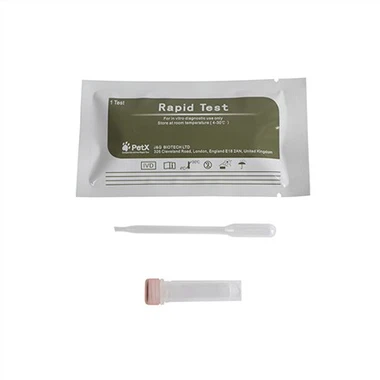
In field conditions, rapid diagnostic test enable veterinarians to make timely decisions, supporting immediate isolation and removal of infected animals.
Integrated Control Strategies
Effective BVDV control requires a structured, long-term approach:
- Identify and remove PI animal
- Implement strict biosecurity measure
- Establish vaccination programs tailored to local epidemiology
- Test all incoming cattle before herd introduction
- Conduct ongoing herd-level monitoring
Conclusion
Bovine Viral Diarrhea Virus is not a short-term outbreak-it is a persistent biological and economic burden.
For veterinarians and producers alike, combining early diagnosis, continuous surveillance, and sound management practices is essential to protecting herd health and ensuring sustainable productivity.