IBDV Antigen Testing – What You Actually Need to Know
Jul 14, 2026
If you've been in poultry for a while, you've probably run into Gumboro at some point. Infectious Bursal Disease. It hits young birds-mostly around 3 to 6 weeks-and it hits faster than most people expect. By the time you see sick birds, it's usually already spread through most of the house.
What it looks like on the ground
Birds get quiet. Not just a bit quiet-really quiet. Feathers start looking rough, like they haven't been preening. Feed intake drops. Water intake can drop too, though not always. Droppings turn watery, and dehydration kicks in pretty fast. In a bad outbreak, mortality goes up before you've even got a handle on what's happening.
But here's what catches people out: mild strains don't always show clear signs. You might just have a flock that seems a little off, with a mortality curve that doesn't quite make sense. No classic symptoms. No warning. Just birds that don't perform as well as they should.
Why it's not just about the birds you lose
Losing birds is one thing. The bigger headache comes later. Birds that get infected early never really recover their immune function. Vaccines don't take properly. Secondary infections-coli, mycoplasma, you name it-become a constant problem. And you end up chasing issues all the way to slaughter. Feed conversion suffers, weights drop, and the whole batch ends up costing more than it should.
Catch it early and you've still got options: isolate, clean up hard, contain it. And maybe rethink your vaccination timing so the rest of the flock doesn't go through the same thing.
What the antigen test actually tells you
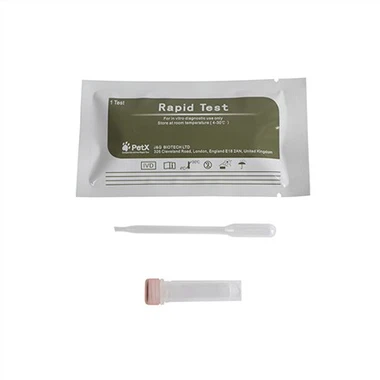
It's pretty straightforward-this test looks for the virus itself, not antibodies. Not past exposure. It tells you if a bird is shedding virus right now. Active infection.
Why does that matter? Because clinical signs don't always tell the full story. You can have a flock that looks okay but is already shedding. Or you can have sick birds that turn out to be something else entirely. The antigen test gives you something solid to base a decision on.
The rapid ones are useful because you can run them in the shed. No sending samples off. No waiting a couple of days for results. You get an answer on the spot.
When it's worth running one
You've got birds that look suspicious but you're not sure what it is.
Mortality ticks up and you need to know whether it's IBDV or something else.
You're doing routine monitoring and want to catch things before they show up visually.
There's an outbreak in your area and you're worried about your own place.
Bottom line
There's no single fix for IBD. It's a bunch of small things done consistently: decent vaccination, good biosecurity, paying attention to what the birds are telling you, and testing every now and then to make sure nothing's slipping through.
The test kits out there now are simple enough. Anyone on the crew can learn to use them in about 15 minutes. No lab needed. No delays.
The earlier you know what you're dealing with, the better your options are. Stay on top of it, and your birds stay healthier, your numbers stay cleaner, and your operation runs a whole lot smoother.