Newcastle Disease Virus: What Poultry Producers Need To Know
Sep 24, 2026
Newcastle disease is one of the diseases poultry producers have to keep in mind when respiratory problems, nervous signs or unusual mortality begin to appear in a flock. The disease is caused by Newcastle disease virus (NDV), also known as avian paramyxovirus type 1 (APMV-1).
NDV is found in many parts of the world and can infect chickens as well as turkeys, ducks, geese, pigeons and other birds. Its effects are not always the same. Some infections remain relatively mild, while others can move quickly through a flock and cause serious losses.
That difference is largely related to the virus strain, but the condition of the birds matters too. Age, immunity, vaccination history, flock density and other infections can all influence what is seen on the farm.
What happens in an infected flock?
Respiratory signs are often among the first changes noticed by poultry workers. Coughing, sneezing, nasal discharge and breathing difficulties may occur. Birds may become less active and show reduced feed or water intake.
As the infection develops, other signs may become more noticeable. Diarrhea can occur, and some birds may develop neurological signs such as tremors, weakness, paralysis or abnormal head and neck movements.
For laying hens, a change in egg production can also be a useful warning sign. Egg numbers may fall and egg quality can be affected.
In more severe outbreaks, mortality can rise quickly. This is one of the reasons that changes in flock behavior or production performance should not be overlooked, particularly when several signs appear at the same time.
How does NDV move between birds?
Infected birds can shed NDV through respiratory secretions and feces. Close contact within a flock provides an easy route for transmission, while contaminated equipment, footwear, clothing, vehicles, feed and water can help carry the virus from one location to another.
This makes movement control an important part of poultry biosecurity. A problem that starts in one house can become a larger flock issue when people, equipment or materials move between areas without appropriate cleaning and disinfection.
Wild birds are also relevant to Newcastle disease epidemiology. Contact between domestic poultry and wild birds can create opportunities for viruses to enter or circulate within poultry populations.
Why NDV testing matters
Clinical signs can provide the first clue, but they do not tell the whole story. Respiratory disease, diarrhea, neurological changes and production losses can occur with more than one infectious disease.
This is where testing becomes useful during a flock investigation. Knowing whether NDV antigen is present gives poultry professionals additional information when assessing birds showing compatible signs.
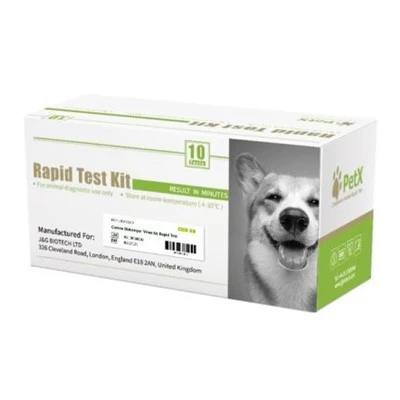
A Newcastle Disease Virus Antigen Test is designed to detect NDV antigen in an appropriate sample. Rapid antigen testing can be convenient when a result is needed during a flock investigation rather than waiting for a lengthy testing process.
Sample collection is an important part of the procedure. Samples should be collected from appropriate birds and sampling sites according to the instructions for the test being used, with proper handling from collection through testing.
Newcastle disease is also a flock management issue
The effect of Newcastle disease is not limited to individual sick birds. In commercial poultry production, a change in health status can quickly become a production problem.
A respiratory problem may be accompanied by lower feed intake. Egg production may change in laying birds. Mortality may increase in severe cases. These changes can have a direct impact on flock performance.
For this reason, routine observation is valuable. Poultry workers are often the first to notice that birds are behaving differently, eating less, producing fewer eggs or showing unusual respiratory or neurological signs.
Combining these observations with appropriate testing can provide a clearer picture of what is happening in the flock.
Keeping Newcastle disease under control
Vaccination is an important part of Newcastle disease control in many poultry production systems. The vaccination schedule depends on the type of poultry, local disease conditions and farm management practices.
Biosecurity remains important as well. Cleaning and disinfection, controlled movement between poultry houses, proper equipment management and attention to contact with outside birds can all reduce opportunities for NDV to spread.
There is no single sign that identifies every NDV infection. The disease can look quite different from one flock to another. Paying attention to changes in bird health and production, combined with timely testing such as a Newcastle Disease Virus Antigen Test, can help poultry professionals investigate suspected cases and make informed flock health decisions.
Newcastle disease is ultimately a flock-level challenge. Understanding the virus and watching closely for changes in the birds are both part of keeping that challenge under control.